A retaining wall is part engineering, part architecture. Here is what separates a wall that holds its line for decades from one that leans and fails in a season.
A retaining wall is the one hardscape feature where you cannot fake it. A patio that settles a little is an annoyance. A retaining wall that fails can take out a slope, a driveway, or a foundation. So this is the project where the engineering matters most — and where cutting corners shows up fastest.
Why walls fail
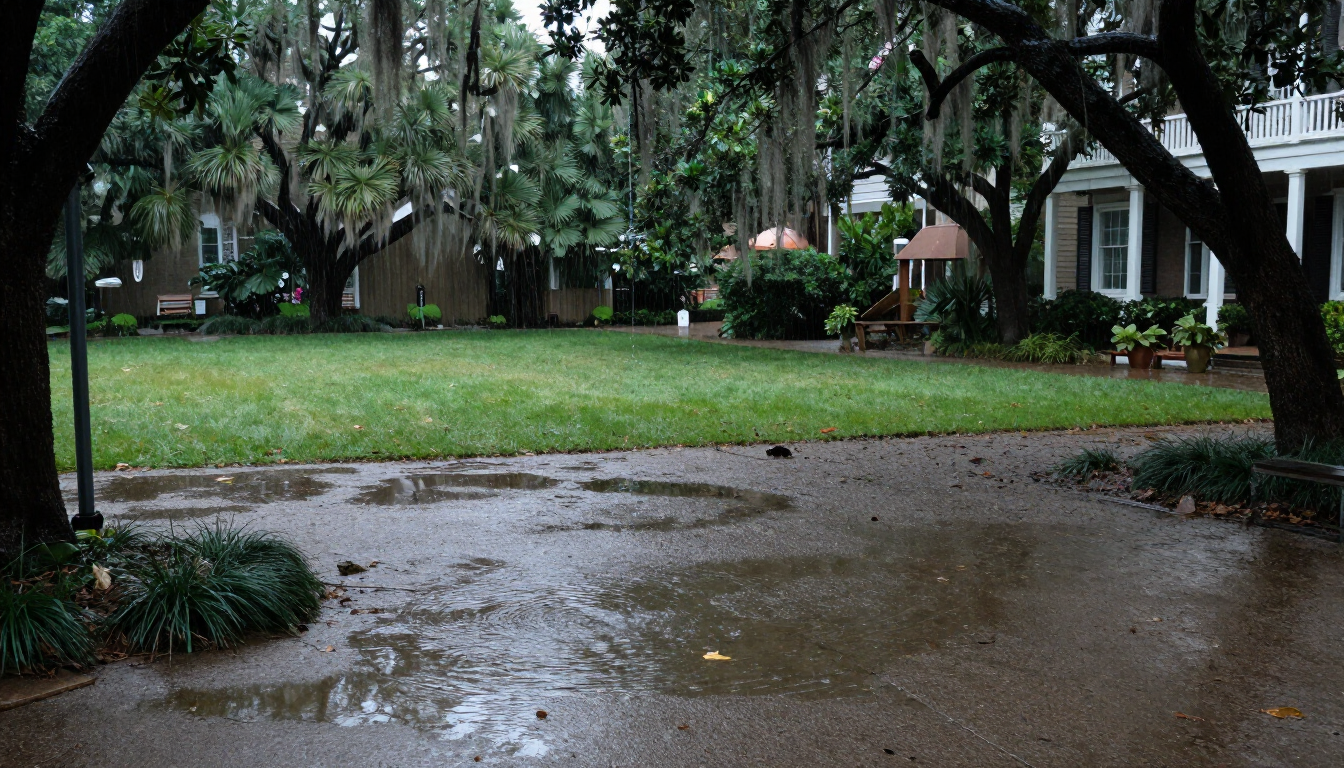
Almost every retaining wall failure comes down to one thing: hydrostatic pressure. That is the force of water building up behind the wall with nowhere to go. Soil gets wet, gets heavy, and pushes outward. A wall built to hold dry soil gets shoved over by wet soil. The wall does not fail because it was weak — it fails because nobody gave the water a way out.
What a wall built to last actually includes
- First course buried below grade — the wall starts underground, anchored against sliding
- Compacted crushed-stone footing — a level, stable base, not set on soft topsoil
- Drainage stone behind the wall — clean angular stone that lets water flow down, not press out
- Filter fabric — keeps soil from migrating into the drainage stone and clogging it
- A drain pipe at the base — carries collected water to a daylight exit
- Geogrid reinforcement — for taller walls, tying the wall back into the soil mass behind it
None of that is visible when the wall is finished. You see the face of the block and the cap. But every one of those hidden elements is the difference between a wall that holds for thirty years and one that leans in three.
Gravity walls vs. reinforced walls
Short walls — generally under about three feet — can be built as gravity walls, where the mass of the block alone resists the soil behind it. Taller walls need geogrid: layers of grid that extend back into the soil and lock the wall and the earth together as a single mass. Skip the geogrid on a tall wall to save money, and you are building a future failure.
It should also look intentional
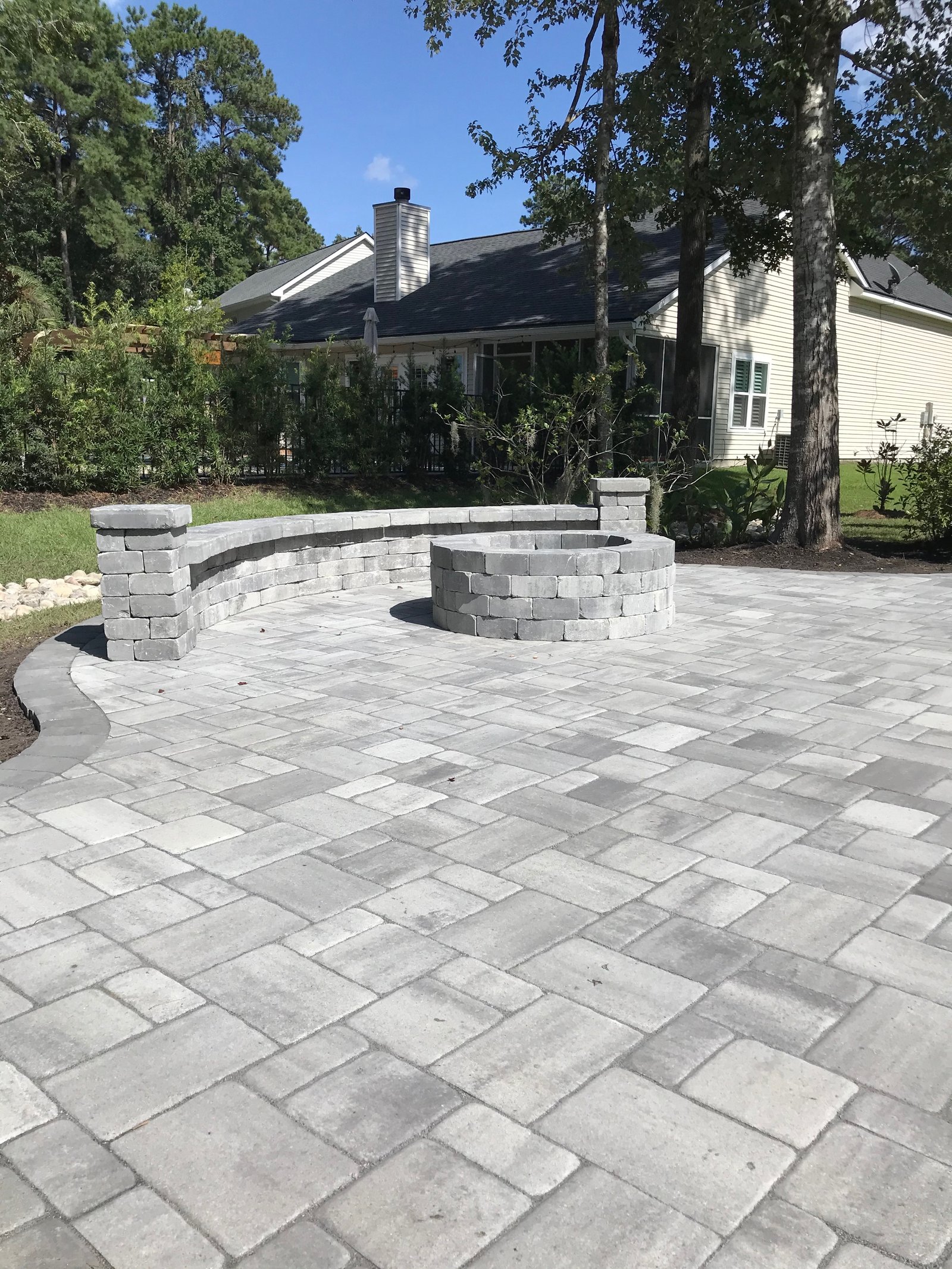
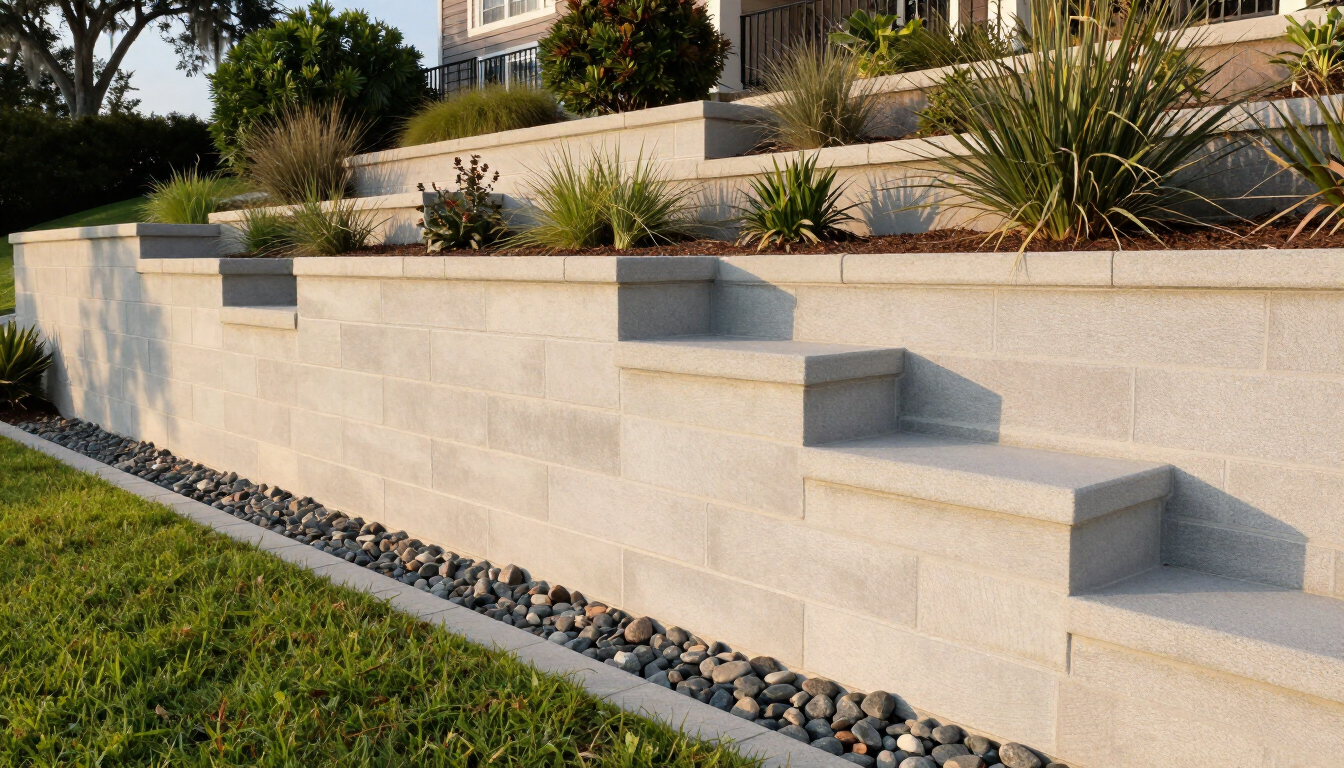
A wall that is purely functional still defines your yard. We lay out walls to follow the natural contour of the slope, break long runs with curves or steps, and cap them cleanly so the top is usable seating or a planting edge. Terraced walls can turn a steep slope into a series of level garden beds — often more useful and more attractive than a single tall wall.
If you have a slope, an erosion problem, or a yard you want to make level and usable, a well-engineered retaining wall is the foundation of the whole project. We will assess the load, the soil, and the drainage, and build it to hold its line for decades.